
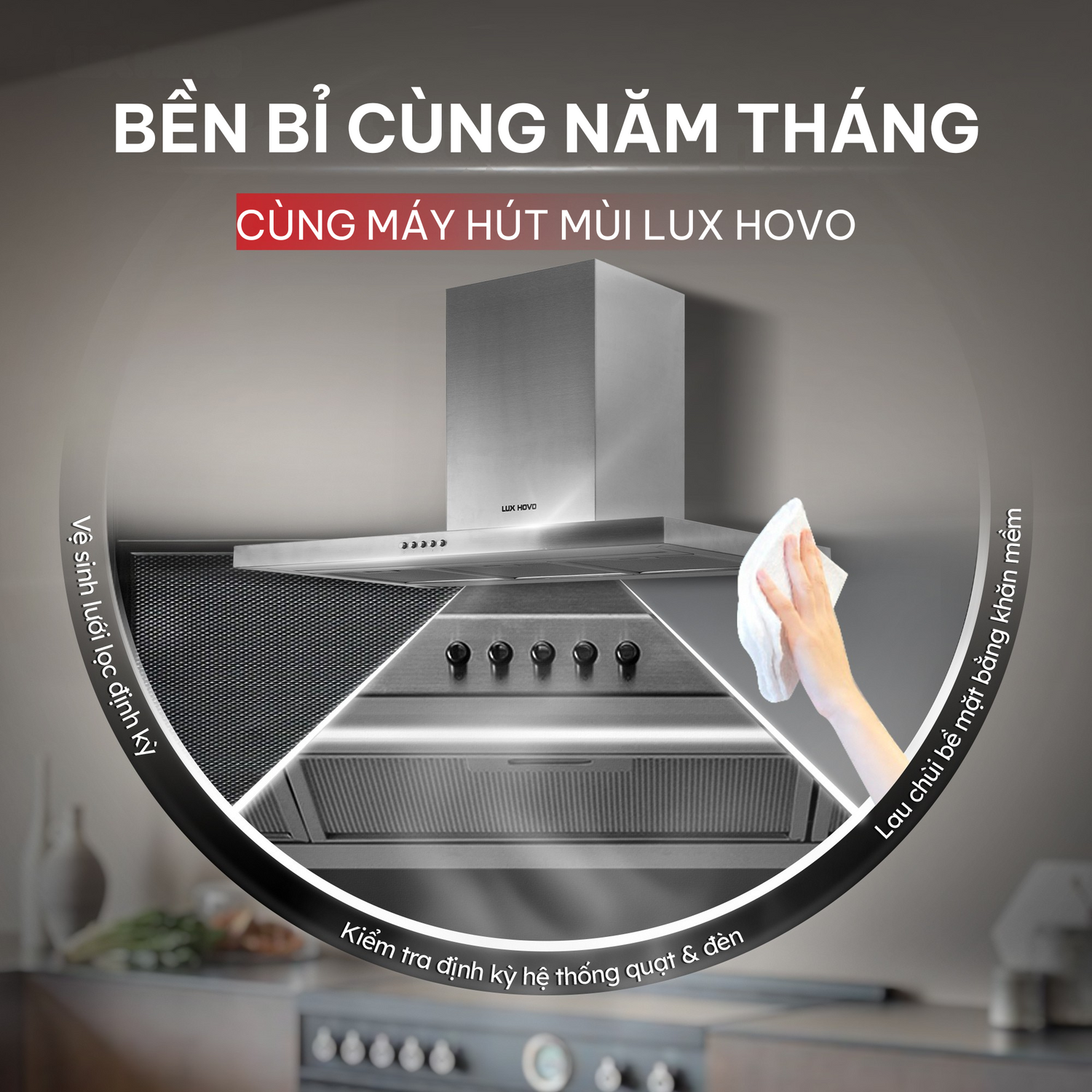
After a period of use, kitchen range hoods will gradually accumulate grease and dirt, especially on the filter mesh. If not cleaned properly and regularly, the odor extraction efficiency will significantly decrease, and there is a risk of backflow odors, short circuits, and increased electricity consumption.
So, how do you properly clean a range hood filter? How often should you clean it? What should you use to clean the filter without damaging the material? All of these questions will be answered in detail in this article.
1. Why is it necessary to clean the range hood filter regularly?
The range hood filter's function is to trap smoke, odors, and grease from cooking, preventing these impurities from penetrating deep into the internal system. Therefore, after a period of use, this is the area that accumulates the most dirt, grease, dust, and bacteria if not cleaned properly.
1.1 How does a dirty filter affect a range hood?
- Reduced suction efficiency: When the filter is clogged with grease and dirt, airflow is restricted, causing the range hood to operate inefficiently.
- Increased risk of backflow odors: Unclean filters prevent food odors from being completely absorbed, potentially allowing them to spread back into the kitchen and cause discomfort.
- Overloading the engine: When airflow is obstructed, the engine has to work harder to generate suction pressure, leading to overheating and premature failure.
- Increased energy consumption: The machine has to operate longer and at higher power, thus consuming more electricity.
1.2 What are the benefits of regularly cleaning your range hood filter?
- Optimal odor extraction efficiency: The ventilated mesh ensures smooth operation and quickly cleans the air in the kitchen.
- Motor protection: Reduces the load on the exhaust fan and motor, extending the machine's lifespan.
- Energy and maintenance cost savings: Clean grids and quiet operation result in energy savings and fewer breakdowns.
- Safer to use: Reduces the risk of grease buildup, especially when you're baking or frying food frequently.
2. How often should the range hood filter be cleaned?
Determining the frequency of cleaning the range hood filter depends on how often the kitchen is used and the types of dishes the family usually cooks.
2.1 Suggested cleaning frequency based on cooking habits:
- Cooking daily (2-3 meals/day): The filter should be cleaned every 2 weeks to ensure optimal odor removal.
- Cook 2-3 times/week: Clean the filter approximately once a month.
- For infrequent or simple cooking (boiling, steaming): The filter mesh can be cleaned every 2-3 months.
If you frequently fry, grill, or your kitchen is in an enclosed space, regular cleaning of the filter is essential to prevent grease buildup, strong odors, and reduced suction efficiency.
2.2 How often should activated carbon be replaced?
For range hoods using a recirculating filtration system, in addition to the metal mesh, the machine also has an activated carbon filter to remove odors.
- Replace them every 4-6 months if you cook frequently.
- If you cook infrequently, you can replace it after 9-12 months.
Regular cleaning of your range hood's filter not only keeps the appliance clean and healthy but also saves on repair costs, electricity, and long-term maintenance.
3. Simple ways to remove the safety filter that anyone can do.

How to safely and easily remove the filter mesh at home.
Before you begin cleaning the range hood filter, properly removing the filter assembly will help you avoid the risk of breakage, scratches, or damage to other machine parts.
3.1 Steps for properly removing the filter screen:
Step 1: Disconnect the power supply.
Ensure complete safety before working inside the machine.
Step 2: Put on gloves and prepare a towel.
Gloves help keep hands free of grease; the cloth underneath prevents the mesh tray from getting scratched when removing it.
Step 3: Open the mesh cover or release the mesh retaining latch (depending on the model).
With built-in range hoods, the filter is usually attached with latches or screws. You just need to press or gently turn it to open.
Step 4: Gently pull the filter down vertically.
Hold the mesh frame firmly on both sides, avoiding strong pulls to prevent bending or warping, especially with thin aluminum mesh.
Step 5: Place the mesh in a large basin and prepare the cleaning solution.
You can use white vinegar, lemon juice, or baking soda for soaking and washing.
With high-end range hoods like HALO and PIONEER from LUX HOVO , the filter removal process is designed to be simple and convenient, allowing anyone to easily operate it without needing a technician.
4. Instructions for cleaning each type of filter mesh
4.1 Metal filter mesh (stainless steel, aluminum)
This is the most common type of filter found on modern range hoods. Usually made of stainless steel or aluminum with a honeycomb structure, it effectively filters grease and oil. Regular cleaning of the metal filter will help maintain consistent suction power and reduce noise.
Cleaning instructions:
- Soak the strainer in hot water mixed with soap or dish soap.
- After 15-20 minutes, use a soft brush to scrub away any remaining grease.
- Rinse with clean warm water and allow to air dry before reassembling.
Do not use wire brushes or harsh detergents as these may damage the mesh surface or affect its filtering ability.
4.2 Activated carbon filter
This is a non-washable filter, commonly found in ductless range hoods that operate on a recirculation mechanism.
Note: Activated carbon cannot be cleaned and must be replaced periodically, usually every 4-6 months depending on cooking frequency and odor buildup. Expired activated carbon should not be reused, as its odor-removing ability will significantly decrease and affect the air quality in the kitchen.
You can tell when your activated carbon filter needs replacing if cooking odors are no longer effectively removed or if your range hood makes unusually loud noises due to obstructed airflow.
5. Tips for deep cleaning using homemade ingredients
To thoroughly and safely clean your range hood filter, you can use readily available, environmentally friendly materials that are not harmful to your health. Here are some effective suggestions:
Baking soda and white vinegar:
- Mix baking soda with warm water to create a solution for soaking the filter mesh for 15 minutes.
- Next, spray white vinegar directly onto the mesh surface to create a reaction that softens stubborn grease and grime.
- Gently scrub and rinse with water.
Fresh lemons:
- Slice the lemons thinly and rub them directly onto the mesh surface, or mix the lemon slices with warm water and let it soak.
- The natural acids in lemons help to deodorize, kill bacteria, and brighten the surface of the filter mesh.
Table salt:
- Sprinkle coarse salt on stubborn stains, then wipe thoroughly with a damp cloth.
- Salt has mild abrasive properties that help clean without scratching the mesh surface.
These are simple yet highly effective tips, suitable for all families – especially those who want to save money and avoid using harsh chemicals in the kitchen.
6. Tips to help extend the lifespan of your range hood.

Tips to help extend the lifespan of your range hood.
In addition to proper filter cleaning, proper use and maintenance of the equipment also contribute to keeping the machine running smoothly and efficiently for a long time.
Some important notes:
- Always leave the range hood running for an extra 5-10 minutes after cooking to remove any remaining smoke and odors.
- Do not use the range hood beyond its rated capacity or leave it running continuously for extended periods.
- Avoid exposing the machine to direct water or steam, as this can easily damage internal components.
- Inspect the filter regularly and replace the activated carbon on schedule.
- Clean the entire engine compartment and exterior with a soft, damp cloth to prevent grease buildup.
Regular and proper cleaning of your range hood's filter will help keep the air in your kitchen fresh and clean, while also extending the appliance's lifespan for many years, saving you on repair and replacement costs.
In conclusion: Clean nets, powerful machines.
Cleaning your range hood filter not only keeps your kitchen clean and fresh but also ensures efficient operation, saves electricity, and significantly extends its lifespan. Whether it's stainless steel, aluminum, or activated carbon, you should schedule regular cleaning and apply the correct cleaning method suitable for each material.
In addition, using natural ingredients like baking soda, lemon, and vinegar is not only effective but also safe for the whole family's health, especially when cooking regularly.
A well-functioning range hood starts with a clean filter. Don't let grease and grime hinder your daily cooking experience. Make cleaning your range hood a simple, economical habit that will keep your kitchen looking sophisticated, convenient, and fresh.
If you're looking for a range hood that combines modern, elegant, durable, energy-efficient, and suitable for any kitchen space, then LUX HOVO is definitely the solution you should consider. Learn more about LUX HOVO range hoods here .


Leave a comment
This site is protected by hCaptcha and the hCaptcha Privacy Policy and Terms of Service apply.